Not all trees are safe to keep standing. Some become hazardous due to disease, decay, or storm damage. In Carrollton, hazardous tree removal protects families, properties, and communities from serious risks.
A hazardous tree is often identified by visible cracks, hollow trunks, or large leaning angles. These warning signs signal instability, making professional intervention essential before the tree collapses unexpectedly.
Severe storms in North Texas frequently turn vulnerable trees into hazards.
Diseased trees can also become dangerous. Fungal infections and pests weaken internal structures, creating brittle limbs that break easily. Removing them early prevents accidents while stopping spread to healthy nearby trees.
Hazardous trees near homes pose significant threats. Falling branches can damage roofs, siding, and windows, while uprooted trunks may compromise foundations or fences. Safe removal minimizes these risks for Carrollton homeowners.
Driveways, sidewalks, and parking lots are common danger zones. Overhanging branches may fall onto vehicles or obstruct access. Professional removal clears these hazards while restoring accessibility and safety for property owners and visitors.
https://maps.app.goo.gl/6quvfz827DGcb7Fi7 https://maps.app.goo.gl/KshygzWp9U4ouW9F8 https://maps.app.goo.gl/oJm23TeGBYDCSXHc7 https://maps.app.goo.gl/1yW7yn8EHotj93fHA https://maps.app.goo.gl/T7STMvcWsthCKDmq9 https://maps.app.goo.gl/FZ77wxcask8ZHWsEA https://maps.app.goo.gl/G79YLJmUWkUcu82R8
Hazardous tree assessments often begin with arborist inspections. Specialists evaluate root systems, branch structures, and canopy balance to determine whether removal is necessary or if corrective support systems can extend the tree's life.
Commercial spaces face similar risks. Businesses must ensure outdoor areas are safe for employees and customers, and hazardous tree removal is a proactive step toward liability prevention and professional landscape management.
Carrollton's clay-heavy soils can increase instability. Shallow roots lose grip during rainy seasons, causing trees to lean dangerously. Proactive removal prevents sudden collapses that could otherwise create emergencies.
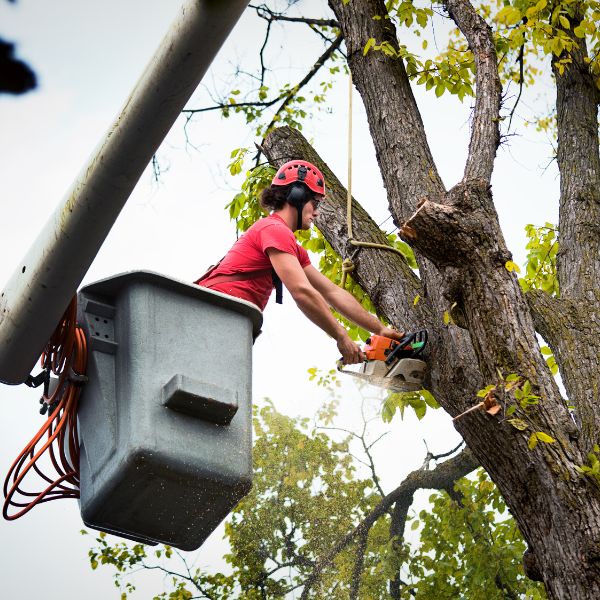
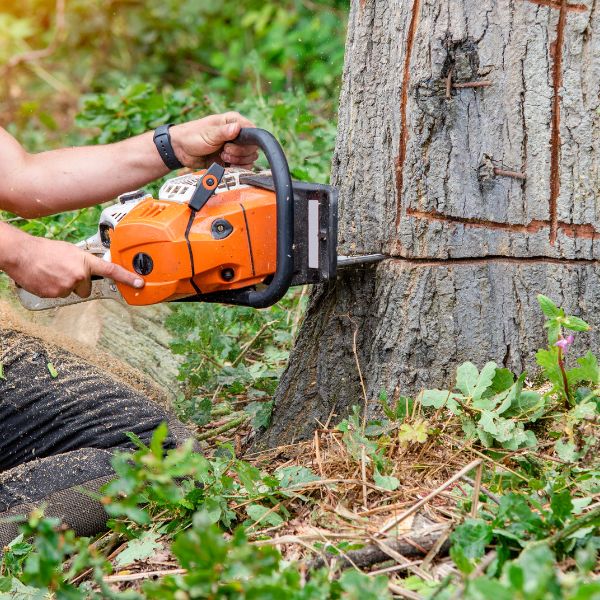
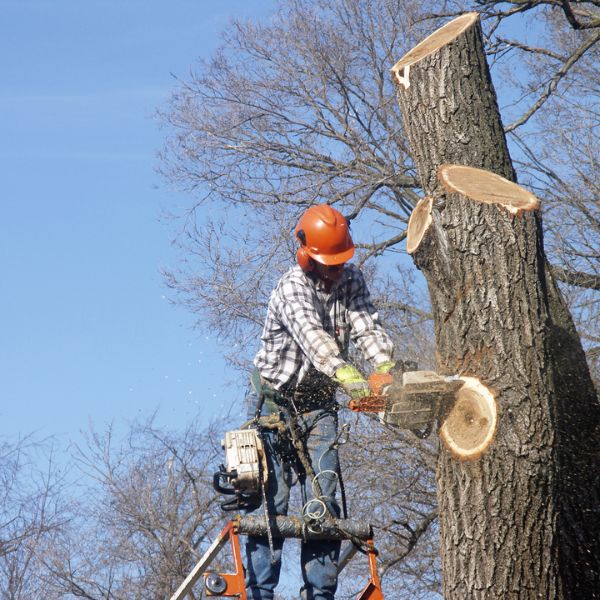
Hazardous removals often require specialized equipment. Cranes, ropes, and bucket trucks ensure large or unstable trees are dismantled safely, reducing the risk of accidents during the process.
Sometimes, trees grow too close to power lines or structures. In these cases, precision removals are critical to prevent damage to utilities and surrounding buildings during dismantling.
Neighborhood safety also depends on proactive removal. Hazardous trees in public areas or near shared property lines create risks for pedestrians and vehicles, making swift professional action a community priority.
Tree decay isn't always obvious. Firm Hidden cavities and root rot often weaken stability. Regular inspections identify these silent dangers, ensuring property owners address them before they cause accidents.
Carrollton homeowners often hesitate to remove old trees, but sentimental value shouldn't outweigh safety. When instability becomes severe, removal is the most responsible way to protect people and property.
Hazardous removals also improve property aesthetics. Eliminating unstable or decayed trees makes space for healthier growth, gardens, or new trees better suited to the landscape and climate.
Insurance companies sometimes require the removal of hazardous trees to maintain coverage. Acting promptly helps homeowners stay compliant and avoid potential disputes during claims.
Businesses especially value timely removal. Outdoor dining spaces, courtyards, and entryways must remain hazard-free, ensuring customers feel safe and confident when visiting commercial properties.
Professional crews follow eco-friendly practices even in hazardous removals. Wood can be recycled into mulch, firewood, or other products, ensuring sustainable outcomes rather than wasteful disposal.
Attempting hazardous removals without expertise can be dangerous. Unstable trees react unpredictably under pressure, making certified crews with proper training and equipment the safest option for the job.
Choosing a provider means prioritizing reputation, safety records, and emergency availability. Budget Hazardous tree removal requires precision and trust, making experienced professionals the most reliable choice for Carrollton residents.
In Carrollton, The Tree Fella has established itself as a dependable resource for hazardous tree removal. Their expertise ensures safety, efficiency, and peace of mind for property owners facing risky tree situations.
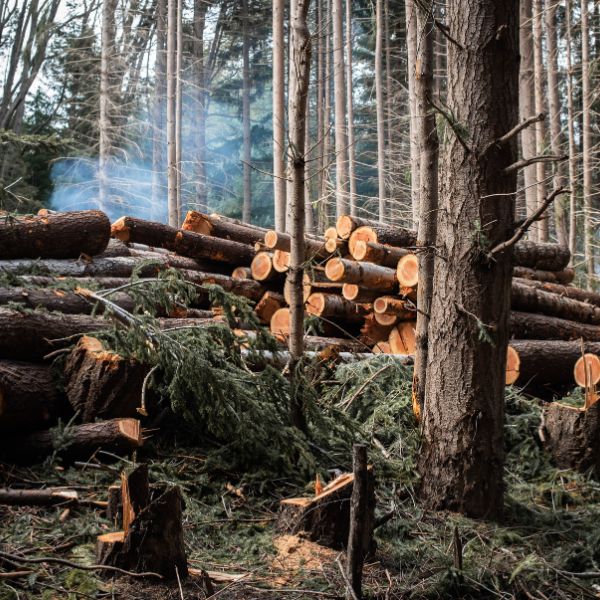
Tree growing is the process of hair transplanting tree plants, usually for forestry, land improvement, or landscape design functions. It differs from the hair transplant of bigger trees in arboriculture and from the lower-cost yet slower and less trusted circulation of tree seeds. Trees contribute to their setting over extended periods of time by improving air high quality, environment amelioration, saving water, maintaining dirt, and supporting wild animals. During the procedure of photosynthesis, trees absorb carbon dioxide and generate oxygen. In silviculture, the activity is referred to as "reforestation", or "afforestation," depending on whether the location being grown has actually recently been forested or not. It includes growing plants over an area of land where the forest has actually been gathered or harmed by fire, disease, or human activity. Trees are planted in several components of the world, and approaches might differ commonly throughout nations and regions and among individual reforestation firms. Tree planting is based in woodland science and, if done correctly, can result in the successful regrowth of a deforested area. However a planted forest hardly ever duplicates the biodiversity and intricacy of an all-natural woodland. Due to the fact that trees remove co2 from the air as they expand, tree growing can be used to assist limit environment change. Desert greening tasks are also inspired by improved biodiversity and recovery of natural water systems, in addition to enhanced economic and social well-being as a result of an enhanced variety of tasks in farming and forestry.
.In ecology, a tree is a seasonal plant with an extended stem, or trunk, typically sustaining branches and leaves. In some usages, the interpretation of a tree may be narrower, e. g., consisting of only woody plants with second development, just plants that are functional as lumber, or plants over a defined elevation. Broader meanings consist of taller palms, tree ferns, bananas, and bamboos. Trees are not a monophyletic taxonomic team however include a wide variety of plant types that have separately advanced a trunk and branches as a way to tower over various other plants to contend for sunlight. Most of tree types are angiosperms or hardwoods; of the remainder, several are gymnosperms or softwoods. Trees tend to be long-lived, some trees getting to numerous thousand years old. Trees advanced around 400 million years earlier, and it is estimated that there are around three trillion fully grown trees in the world presently. A tree usually has several second branches supported clear of the ground by the trunk, which commonly includes woody cells for stamina, and vascular cells to bring products from one component of the tree to an additional. For a lot of trees the trunk is bordered by a layer of bark which works as a safety barrier. Listed below the ground, the origins branch and expanded extensively; they serve to anchor the tree and essence moisture and nutrients from the dirt. Above ground, the branches split into smaller sized branches and shoots. The shoots usually birth leaves, which record light energy and transform it right into sugars by photosynthesis, giving the food for the tree's development and growth. Trees generally replicate making use of seeds. Blooming plants have their seeds inside fruits, while conifers bring their seeds in cones, and tree brushes produce spores rather. Trees play a considerable role in decreasing erosion and moderating the climate. They get rid of carbon dioxide from the atmosphere and shop big amounts of carbon in their cells. Trees and woodlands offer an environment for lots of types of pets and plants. Exotic jungles are among one of the most biodiverse habitats in the world. Trees supply color and sanctuary, timber for building and construction, fuel for food preparation and home heating, and fruit for food in addition to having many various other usages. In a lot of the world, woodlands are shrinking as trees are removed to enhance the quantity of land offered for agriculture. As a result of their durability and efficiency, trees have constantly been admired, with sacred groves in numerous societies, and they play a role in many of the globe's mythologies.
.Trimming focuses on shaping and aesthetics, pruning addresses health and disease prevention, and cutting involves removing larger sections or entire trees for safety. The Tree Fella provides all three services, tailored to Carrollton�s climate and species.
Comprehensive care includes trimming, pruning, stump grinding, emergency removals, pest management, and health assessments. The Tree Fella serves both homeowners and businesses, ensuring landscapes remain safe, beautiful, and environmentally sustainable.
The Tree Fella combines certified arborist expertise, modern equipment, and personalized care. Their trimming services not only enhance curb appeal but also improve tree health, safety, and longevity, making them a trusted choice in Carrollton.
Most trees benefit from trimming every 1�3 years, depending on age, species, and growth patterns. In Carrollton, seasonal factors like summer heat and storm risks make professional trimming essential for long-term health and property safety.